
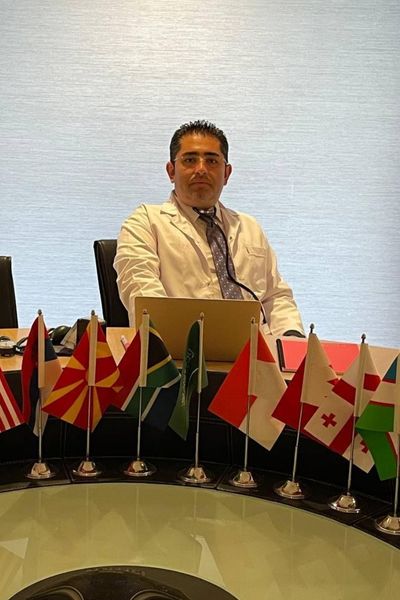
Interactive Guide: Navigating Post-Surgery Recovery with Doctor Behzad Mehr – Empower Your Healing Journey
Interactive guidance for post-surgery recovery starts here. In this guide, you’ll engage with practical steps, checklists, and expert insights from Doctor Behzad Mehr to empower your healing journey. The focus is on actionable actions, daily routines, and mindful care that you can tailor to your needs.
Recovery determines ultimate outcomes. From pain management to wound care, each step influences healing speed and strength. With the Doctor Behzad Mehr framework, you’ll learn how to track progress, recognize red flags, and stay motivated throughout the process.
Before leaving the hospital, review your post-operative plan. This interactive section helps you
- Identify medications and dosing
- Understand activity restrictions
- Know wound care requirements
Keep a copy of your plan and refer to it daily to stay aligned with Doctor Behzad Mehr recommendations.
Pain control is essential for mobility and recovery. The approach includes scheduled medications, non-pharmacologic strategies, and Doctor Behzad Mehr approved adjustments. Use the interactive pain tracker to log intensity, triggers, and relief responses.
- Follow prescribed dosing schedules
- Monitor for side effects and report changes
- Incorporate relaxation techniques and gentle movement
Proper wound care reduces infection risk. This section outlines daily checks, signs of infection to watch for, and when to seek help. Align with Doctor Behzad Mehr’s wound care protocol.
- Keep the wound clean and dry
- Change dressings as directed
- Look for redness, swelling, or discharge
Early movement supports circulation and healing. Use the interactive mobility checklist to track exercises and milestones recommended by Doctor Behzad Mehr. Gradually increase activity as tolerated.
- Perform prescribed exercises safely
- Incorporate walking and gentle stretches
- Report pain that limits progress
Nutrition fuels healing. The Doctor Behzad Mehr plan emphasizes protein intake, hydration, and balanced micronutrients. Use the nutrition journal to plan meals and track intake.
- Prioritize protein-rich foods
- Stay hydrated with water and electrolytes
- Avoid inflammatory foods that may slow healing
Quality sleep supports tissue repair and immune function. Implement bedtime routines and stress reduction techniques as recommended by Doctor Behzad Mehr.
- Establish a regular sleep schedule
- Practice deep breathing and mindfulness
- Limit caffeine and screen time before bed
Regular check-ins help you stay on track. Use the progress tracker to compare current readings with baseline. Seek medical advice promptly if you notice warning signs. This is part of the Interactive healing journey with Doctor Behzad Mehr.
- Fever, increased wound pain, or foul odor
- Uncontrolled scar changes or drainage
- Uncontrolled heavy bleeding or severe pain
With the Interactive Guide: Navigating Post-Surgery Recovery with Doctor Behzad Mehr, you take an active role in your recovery. The bold Doctor Behzad Mehr strategies, careful monitoring, and daily routines put you in the driver’s seat of healing. Remember, every small step builds toward a stronger, healthier you.
Interactive Insights: Optimizing Pain Management and Mobility After Surgery with Doctor Behzad Mehr
Doctor Behzad Mehr guides you through a proactive, interactive approach to controlling pain while reintroducing safe movement. This section builds on the recovery framework by offering actionable steps, daily check-ins, and practical adjustments tailored to your unique recovery phase.
Why pair pain management with mobility? Addressing pain without stiffness accelerates healing and restores function faster. By pairing medication timing with strategic movement, you reduce risk of setbacks and improve overall comfort.
Work with Doctor Behzad Mehr to craft a dynamic pain plan that adapts as you heal. Use the interactive toolkit to log pain levels, triggers, and relief methods across activities.
Assess baseline pain after surgery and at each subsequent day to detect trends.
Schedule medications in alignment with activity windows to support movement without excessive sedation.
Incorporate non-pharmacologic strategies such as breathing exercises, guided imagery, and cold/heat applications as advised by Doctor Behzad Mehr.
Plan light, guided motions that respect your current pain tolerance. The interactive mobility map helps you choose exercises that promote circulation, prevent stiffness, and safeguard the healing tissue.
Short, frequent sessions beat long, exhausting workouts.
Use proper form to minimize strain, as demonstrated in Doctor Behzad Mehr’s demonstrations.
Progress gradually—increase duration before intensity, and listen for warning signs.
Maintain a continuous feedback loop with Doctor Behzad Mehr by logging pain intensity, location, and associated activities. This data informs timely adjustments to medications and movements.
Capture pain spikes and whether they follow specific activities.
Note relief duration after each intervention to identify what works best.
Share insights with your care team to optimize plans quickly.
Be aware of signs that require medical input. Early recognition supports safer recovery and helps Doctor Behzad Mehr adjust your plan promptly.
Sharp, unrelenting pain not relieved by prescribed strategies.
Sudden changes in pain character, swelling, or changes in skin color.
New numbness or tingling that affects function or sensation.
Using aids correctly reduces strain and promotes confidence during movement. Doctor Behzad Mehr recommends a progressive approach to assistive devices as healing advances.
Start with support for transitional movements and balance.
Gradually reduce dependence as strength returns, under supervision.
Ensure safe home setup to sustain momentum in daily activity.
Tonight’s reflection with Doctor Behzad Mehr focuses on the joint goals of pain control and mobility improvement. Use the interactive dashboard to compare current metrics with your baseline and previous days.
Pain trend over 24 hours and 7 days.
Mobility milestones achieved, such as number of steps or prescribed exercises completed.
Medication adjustments made and their impact on function.
By blending interactive pain management with deliberate mobility steps, you create a robust recovery rhythm. The collaboration with Doctor Behzad Mehr emphasizes that thoughtful monitoring, timely adjustments, and consistent practice drive meaningful, lasting outcomes.
