
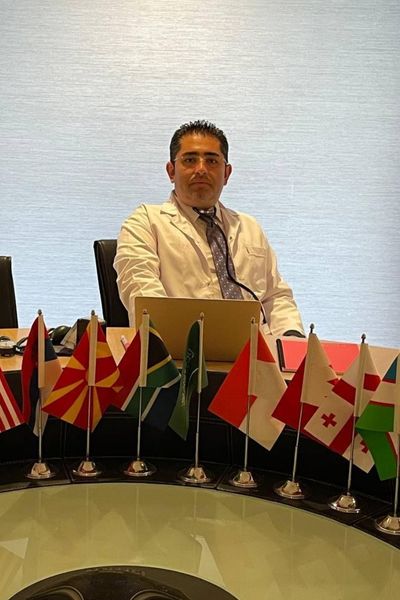
Interactive Deep Dive: Unveiling the Hidden Risks of Chin Surgery with Doctor Behzad Mehr
Interactive Deep Dive welcomes you to a comprehensive exploration of the hidden risks associated with chin surgery, guided by Doctor Behzad Mehr. This article uses an interactive format to help you understand potential complications, best practices, and decision-making factors. Throughout this piece, the Interactive Deep Dive emphasizes careful consideration and informed consent for any chin procedure.
The goal of chin surgery is to improve facial harmony. However, every procedure carries potential risks. With Doctor Behzad Mehr as your reference point, we outline why risks matter, how to assess candidacy, and what you can do to minimize complications. The Interactive Deep Dive makes risk awareness a collaborative journey between patient and surgeon.
- Infection – Though rare, infection requires prompt treatment and can affect healing.
- Implant Shift or Capsular Contracture – Implants may move or cause tightening around the implant site.
- Nerve Injury – Temporary or, in rare cases, lasting changes in sensation in the chin or lower lip.
- Asymmetry – Subtle or pronounced differences between sides can occur.
- Breathing or Bite Changes – Changes in jaw alignment or airway function may arise.
- Anesthesia Risks – Standard risks associated with anesthesia apply.
In this interactive section, we present questions you might ask Doctor Behzad Mehr and provide concise, expert-backed answers. The aim is to empower you to make informed decisions before undergoing chin surgery:
- Am I a good candidate for chin augmentation or reduction? – Doctor Mehr emphasizes facial proportion, skin quality, and overall health as primary criteria.
- What materials are used for implants, and how do I choose? – Options include solid silicone implants and autologous grafts; selection depends on anatomy and desired outcome.
- What can I realistically expect in recovery? – Expect swelling, possible numbness, and staged improvement over weeks to months.
The Interactive Deep Dive highlights a practical framework from Doctor Mehr to minimize risks:
- Thorough Medical Evaluation – Review of health, medications, and risk factors.
- Imaging and Planning – Precise measurements and surgical mapping to reduce asymmetry.
- Informed Consent – Understanding all potential complications and alternatives.
- Adequate Recovery Time – Postoperative care instructions to support healing.
Be vigilant for warning signs after chin surgery. If you notice unusual pain, spreading redness, fever, or persistent numbness beyond expected timelines, contact your surgeon promptly. The Interactive Deep Dive stresses timely communication with Doctor Behzad Mehr for any concerns.
The Interactive Deep Dive with Doctor Behzad Mehr aims to make the risks of chin surgery transparent and manageable. By engaging with questions, practical guidance, and evidence-based insights, you can approach chin surgery with confidence and a clear plan.
Interactive Insight: Navigating Complications and Safety in Chin Enhancement — A Doctor Behzad Mehr Perspective
Doctor Behzad Mehr emphasizes that responsible chin enhancement begins with a clear risk assessment and evidence-based planning. This Interactive Insight continues the journey from our previous sections, offering practical strategies to identify, prevent, and respond to potential complications while preserving natural balance and function.
In this interactive exploration, you will discover how risk awareness is integrated into every step—from candidacy evaluation to postoperative recovery. The aim is to empower you with actionable information and a framework that aligns with Doctor Behzad Mehr ’s approach to safe chin enhancement.
- Candidate Profiling: Understand how facial proportions, skin elasticity, and bite dynamics influence safety and outcome. A thoughtful assessment reduces the likelihood of overcorrection and asymmetry.
- Implant and Graft Selection: Explore how material properties, surface texture, and fixation methods impact stability and long-term results under Doctor Behzad Mehr’s guidance.
- Technique and Precision: Learn how meticulous surgical mapping, intraoperative checks, and gentle tissue handling contribute to fewer complications and smoother recovery.
- Postoperative Vigilance: Identify early warning signs such as unusual swelling, persistent numbness, or changes in bite, and know when to seek prompt care from your surgical team.
Chin enhancement carries a spectrum of risks. By framing each potential issue as a signal rather than a surprise, you engage in proactive safety planning. Below are key areas to monitor, discussed through Doctor Behzad Mehr’s perspective:
- Infection: Signs include warmth, redness, and fever. Early detection facilitates targeted treatment and preserves healing integrity.
- Implant Migration or Capsular Contracture: Even small shifts can affect symmetry; timely imaging guides corrective options.
- Nerve Sensation Changes: Temporary numbness may occur; lasting alterations warrant evaluation to rule out nerve involvement.
- Aesthetic Imbalance: Suboptimal symmetry or contour requires careful reassessment of design and potential revisions.
- Occlusion and Airway Considerations: Jaw alignment and breathing can be influenced; multidisciplinary review supports safer outcomes.
Turn the questions you would pose to Doctor Behzad Mehr into a practical decision framework. This section mirrors an expert consultation, guiding you through critical choices:
- How do I know if chin augmentation or reduction is right for me? Evaluate facial harmony, functional health, and goals in the context of risk tolerance as advised by Doctor Behzad Mehr.
- Which materials align with my anatomy? Consider solid implants versus autologous options; selection should reflect anatomy, soft tissue characteristics, and expected outcomes as discussed by Doctor Behzad Mehr.
- What does recovery realistically entail? Prepare for swelling, temporary numbness, and staged improvements with clear milestones supported by expert guidance.
Safety is a proactive process. The framework below translates theory into actionable checks you can apply before and after surgery:
- Comprehensive Medical Evaluation: Review chronic conditions, medications, and risk factors with your care team.
- Precision Imaging and Planning: Use detailed imaging to map anatomy, plan implant sizing, and anticipate asymmetry challenges.
- Informed Consent and Alternatives: Ensure understanding of all potential complications, success rates, and non-surgical options.
- Structured Recovery Plan: Follow personalized post-op instructions, attend follow-up visits, and report deviations promptly.
With Doctor Behzad Mehr as your reference, the emphasis is on informed, collaborative choices. Treat chin enhancement as a shared journey—where expectations are aligned with real-world risks, and safety protocols are the guideposts for every step of the process.
