
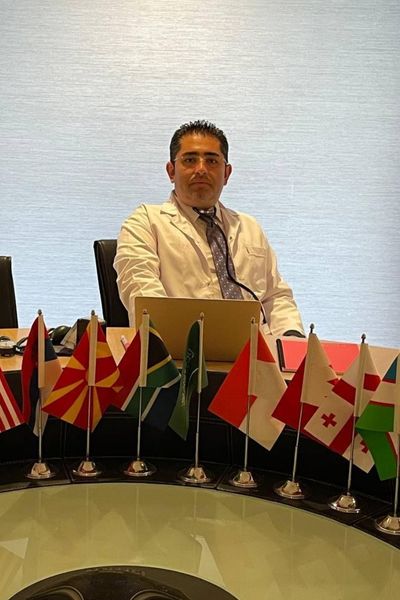
Interactive Deep Dive: Unpacking Doctor Behzad Mehr Cosmetic Surgery Risks with Clarity and Confidence
Welcome to our Interactive Deep Dive on Doctor Behzad Mehr Cosmetic Surgery Risks. In this session, we explore potential risks, safety considerations, and decision-making steps with clear, confident language. This article uses an interactive style to help you understand what to ask, what to expect, and how to mitigate risks when considering cosmetic procedures.
The topic of Doctor Behzad Mehr Cosmetic Surgery Risks covers many facets: anesthesia safety, implant integrity, infection, scarring, nerve injury, asymmetry, and the possibility of revision procedures. Our goal is to present these risks in a balanced, clarity-driven format so you can make informed decisions with confidence.
When engaging with your surgeon, consider questions such as:
- What is the risk profile for this procedure and patient-specific factors?
- What are the likely complications and their timelines?
- How will anesthesia be managed, and what are the associated risks?
- What is the plan for managing postoperative complications and revisions?
- What are the expected aesthetic outcomes and the probability of unintended results?
Safety is a cornerstone of any cosmetic procedure. We outline evidence-based practices, informed consent, and surgeon verification steps. Remember, for Doctor Behzad Mehr Cosmetic Surgery Risks, the emphasis on safety includes a thorough preoperative assessment, sterile technique, and careful postoperative monitoring.
Risks can be mitigated through personalized risk assessment, realistic goals, and staged treatment plans. In this interactive framework, you’ll learn to align your expectations with what is biologically plausible and medically safe.
We present hypothetical scenarios to illustrate how Doctor Behzad Mehr Cosmetic Surgery Risks may impact outcomes. Each scenario highlights decision points, potential complications, and strategies to minimize harm.
Our Interactive Deep Dive ends with a clear call to action: consult qualified professionals, review medical histories, and use a structured decision-making checklist. By maintaining focus on Doctor Behzad Mehr Cosmetic Surgery Risks, you can approach cosmetic decisions with clarity and confidence.
Interactive Insight: How Doctor Behzad Mehr Navigates Complications, Safety Nets, and Patient-Centered Risk Management in Cosmetic Procedures
Welcome to an interactive session that deepens our understanding of how Doctor Behzad Mehr approaches cosmetic surgery risks. This segment focuses on navigation through potential complications, the safety nets built into practice, and a patient-centered framework for risk management. Engage with the prompts, reflect on your values, and identify concrete steps you can take to participate actively in your care.
In cosmetic procedures, anticipating complications is part of responsible planning. We invite you to work through a scenario map that outlines common and rare risks, expected timelines, and early signs that require clinician input. Consider questions such as: What could go wrong during the procedure, in the immediate postoperative period, and in long-term follow-up? How might individual factors like skin type, medical history, or prior surgeries influence the risk profile?
Safety nets are built into every stage of care. Doctor Behzad Mehr emphasizes a layered approach: rigorous preoperative assessment, evidence-based anesthesia protocols, sterile surgical technique, and meticulous postoperative monitoring. In this interactive activity, identify where you can expect redundancies (such as contingency plans for unexpected bleeding or infection) and how these safeguards affect recovery timelines and outcome reliability.
Risk management is a collaborative process. You’ll participate in structured dialogues that prioritize your goals, concerns, and preferences. Critical elements include clear discussions about realistic outcomes, acceptable levels of risk, and the trade-offs between different procedural options. This section prompts you to articulate your expectations and to align them with clinical feasibility through a transparent decision-making checklist.
Explore short vignettes that illustrate how Doctor Behzad Mehr responds to adverse events, how safety nets are activated, and how patient input shapes revisions or adjustments. For each scenario, identify the decision points, the relevant risk factors, and the communication strategies that foster trust and clarity.
Sustained satisfaction relies on balancing desired aesthetics with biologically plausible results. This interactive module guides you to assess the likelihood of asymmetry, scarring, or require for revision procedures, and to weigh these against any potential quality-of-life improvements. The emphasis remains on informed, confident choices grounded in safety-first thinking.
Close this session with a practical plan: compile your medical history, list questions for your surgeon, understand anesthesia options, and establish a postoperative support network. By documenting these elements, you create a personalized roadmap that complements Doctor Behzad Mehr’s risk-informed approach to cosmetic surgery.
