
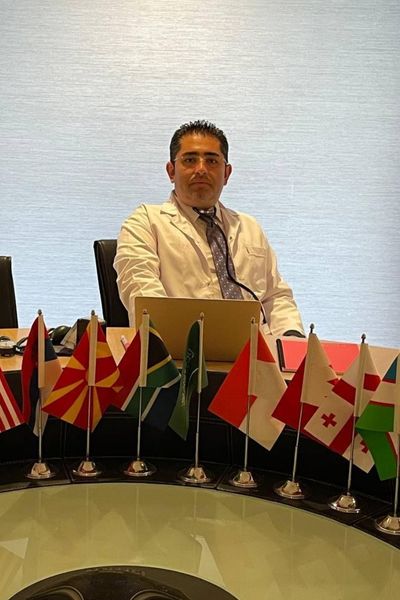
Interactive Blueprint: The Strategic Patient Journey in Doctor Behzad Mehr Cosmetic Surgery Planning
Interactive and engaging, this guide maps the Strategic Patient Journey in Doctor Behzad Mehr Cosmetic Surgery Planning. The aim is to provide a clear, actionable roadmap for patients seeking thoughtful, outcome-focused procedures. This content emphasizes how the Interactive Blueprint aligns expectations, planning timelines, and informed consent at every stage.
In the Interactive Blueprint, the first touchpoint is the Initial Consultation. Patients share goals, medical history, and aesthetic concerns. The clinician presents an individualized plan, including risk discussion and potential outcomes. Key elements include:
- Clarifying goals with precise language
- Documenting medical history, allergies, and medications
- Establishing realistic expectations through visual aids
The Doctor Behzad Mehr Cosmetic Surgery Planning process includes a Feasibility Assessment to determine which procedures are most appropriate. This stage uses analysis, imaging, and risk stratification to shape the plan.
- Imaging studies and 3D simulations
- Assessment of skin quality, bone structure, and soft tissue
- Risk-benefit evaluation and contingency options
The core of the Interactive journey is the Treatment Blueprint. Patients review proposed procedures, sequencing, and timelines. The blueprint includes:
- Stepwise procedure order and recovery milestones
- Expected changes, limits, and alternative approaches
- Personalized visualization tools and decision aids
Risk communication is a pillar of the Strategic Patient Journey. The Informed Consent process ensures patient comprehension and agreement before proceeding.
- Discussion of potential complications and outcomes
- Clear written documentation and questions section
- Opportunity for a second opinion if needed
The Interactive Blueprint integrates practical planning with patient readiness. This includes scheduling, preoperative instructions, and resource planning.
- Preop tests, medication management, and lifestyle considerations
- Recovery space planning and support system identification
- Clear timelines and reminder workflows
During the procedure, the team follows the Blueprint to ensure precision and safety. Immediate recovery focuses on pain control, wound care, and early mobility.
- Operative protocol adherence and anesthesia safety
- Postoperative monitoring and early complication detection
- Guided recovery plan with progression milestones
The journey continues with structured follow-up to assess outcomes, satisfaction, and, if necessary, adjustments. The Interactive framework supports ongoing dialogue and refinement.
- Standardized outcome measures and patient-reported satisfaction
- Scheduled check-ins to monitor healing and results
- Option for minor enhancements if aligned with goals
The Doctor Behzad Mehr Cosmetic Surgery Planning approach centers the patient in every stage. The Interactive Blueprint enables informed decisions, transparent timelines, and collaborative planning to achieve authentic, natural results while prioritizing safety and personal goals.
Interactive Protocols & Visual Forecasts: Precision Mapping for Optimal Cosmetic Outcomes with Doctor Behzad Mehr
Continuing the Doctor Behzad Mehr Cosmetic Surgery Planning Guide, this section introduces the Interactive Protocols and Visual Forecasts that turn complex planning into immersive, patient-centered journeys. By blending real-time visualization with precise protocol steps, patients gain clarity, confidence, and a shared language with the surgical team.
The Interactive Toolkit equips patients with visual aids, interactive sliders, and scenario simulations that align goals with feasible outcomes. Key components include:
- Goal-to-Outcome Mapping: convert aspirations into measurable targets using metric-based dashboards.
- Baseline Visualization: capture current anatomy through guided photography and 3D references.
- Scenario Libraries: compare multiple approaches side by side to appreciate trade-offs.
Precision mapping is the backbone of predictability. The protocols integrate anatomy, skin quality, and tissue dynamics to forecast postoperative results with high fidelity. Core steps include:
- Anatomical Stratification: classify regions by structural support and soft tissue characteristics.
- Vector-Based Adjustments: plan vectors for contour changes, ensuring harmony with natural anatomy.
- Layered Forecasts: generate multi-layered projections (surface, depth, and texture) for nuanced planning.
Visual forecasts provide a tangible glimpse into potential outcomes, reducing uncertainty and fostering informed consent. Features include:
- 3D Simulations: interactive renderings that can be rotated, scaled, and adjusted to reflect variations in technique.
- Before/After Morphing: smooth transitions that illustrate progressive milestones across recovery.
- Texture and Tone Forecasts: predictions of skin quality, scarring expectations, and coloration changes.
Decision aids translate clinical data into accessible choices. The aids support shared decision-making through:
- Risk-Benefit Interfaces: side-by-side risk profiles and expected improvements.
- Recovery Timeline Projections: personalized milestones for healing and normal function return.
- Contingency Scenarios: if-then options for adjustments or staged procedures.
Every patient receives a personalized report that anchors decisions in transparency. Report components include:
- Procedure Map: sequence, timelines, and dependencies between interventions.
- Outcome Certificates: quantified goals tied to patient-reported satisfaction metrics.
- Consent Annotations: clear explanations of potential risks, uncertainties, and alternatives.
To sustain the Interactive journey, habitual rituals are embedded in the process:
- Regular Visual Check-Ins: weekly or bi-weekly updates to adjust forecasts as healing progresses.
- Red-Team Reviews: secondary opinions using the same visual forecasting framework for added assurance.
- Milestone Celebrations: recognizing progress as recovery milestones are achieved.
These Interactive Protocols and Visual Forecasts uphold the guiding principles: safety, authenticity, and patient empowerment. By mapping precise anatomical changes to clear visual outcomes, patients experience a transparent, collaborative planning journey that consistently aligns expectations with achievable results.
